这是一部关于在战争中幸存者的电影,潘礼德的新作《辐射》将关切投向整个人类灾难史,犹太大屠杀、南京大屠杀、越南战争、南斯拉夫战争、广岛核爆炸、福岛核泄漏等事件都成为了构成影片内容的素材之一。他还用影像装置艺术、融媒体艺术将影片的风格进行重构与升级,使得自己的创作超越了单一纪实的局限,并更具抽象色彩。
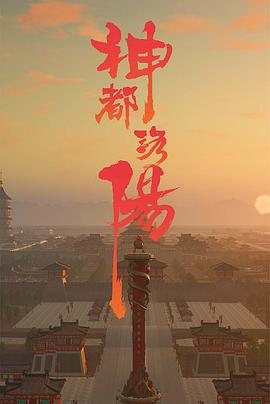
将精致文化细节作为每集的“观察入口”;从真实历史故事展开东方文化审美之路;与《风起洛阳》影视剧有关联的历史解读与文化复原,是辅助影视剧故事价值的另一场文化盛宴。
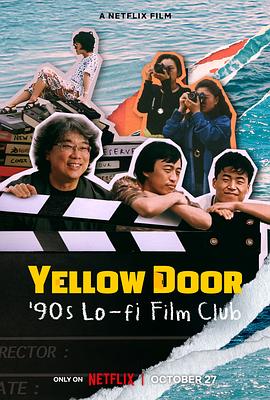
聚焦奉俊昊第一支短片,未发行的定格动画《寻找天堂》,以及韩国第一代影迷背后的故事。
Since the cult success of Merci Patron!, activist/journalist/filmmaker François Ruffin has become an MP. Here, he attempts to table a law aimed at upholding the rights of what in Quebec are known as caregivers, and shows us in passing how a law whose need seems patently obvious is put together, debated, voted on and . . . dies on the battleground of French politics. A stirring documentary about social injustice that somehow manages to make us bust a gut laughing as we rage with indignation. And also cry at the beauty of it all, thanks to the director’s humanist sensibility and a deft play between reality and fiction.
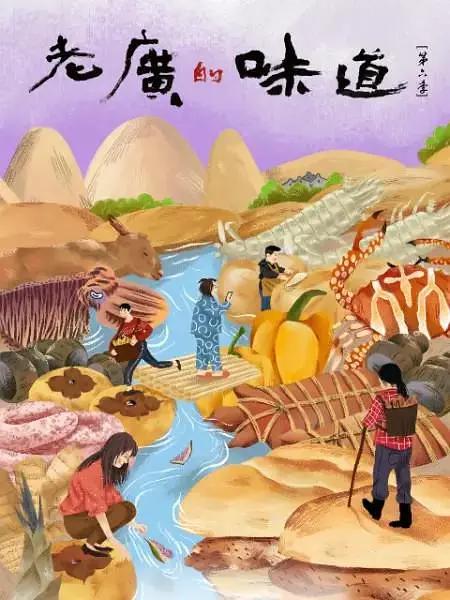
广东卫视自制美食纪录片《老广的味道》是国内美食视频类头部IP,2015年至今已制作至第六季。节目以食物为载体,通过美食这一“小切口”讲好“中国故事”,展现岭南农业文化和海洋文化的情怀与自信。节目第六季共八集。主题为:食不可貌相、虾兵蟹将、地标食记、老字号、零食记忆、辣在岭南、街头米其林、美食博主。
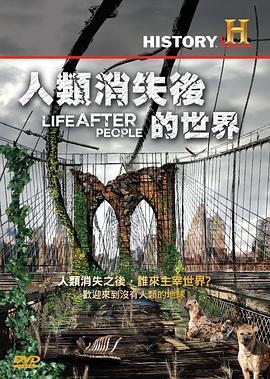
想象一下,就在某个平凡且毫无征兆的一天,世界上各个角落的人们各自按照既定的生活模式行止,突然之间,一股神秘的力量将人类从这刻蓝色的星球上移去。接下来会发生什么?闹市区无人驾驶的车辆相互碰撞,引发巨大的交通事故和火灾;天空上的飞机脱离控制,一架架地撞向大地;核电站逼近安全 指数,引发前所未有的大灾难。可是这远远不是世界末日的到来,100年、200年、500年……人类赖以自豪的文明象征接连垮塌,摩天大楼、跨海桥梁饱受风霜侵蚀,相继崩溃坏灭。绿色的植物和野生动物“侵蚀”人类的家园,成为人类离开后新的主人。 人类消失也许对文明是个灾难,但对这颗已存在46亿年的星球来说,实在不是什么大不了的事情……
RobertDowney,Jr.givesreportsandinterviewswithotherstarsinthisdocumentaryabouttheDemocraticNationalConventionin1992.
本剧是一部真实犯罪题材的连续剧,从各个可能的角度揭露了十起扣人心弦的谋杀案件。通过私密访谈、专家分析和珍贵镜头,该系列生动地描绘了每起犯罪的动机、手法和后果——从惊心动魄的杀戮到致命的誓言。
The long-running culinary hit returns with a season that’s all about the pizza pie. From Portland to Phoenix, Italy to Japan, go inside the kitchens of chefs whose creativity elevates this ordinary dish to an art form via their unique flavors, inspiring backgrounds, and passion for creating the perfect slice. • Featured Chefs Chris Bianco (Phoenix, Ariz.), Gabriele Bonci (Rome...
.
“炫车酷驾”使您可以随时了解德国和欧洲的最新汽车新闻。我们的编辑评鑑了汽车市场上所有的重点新款,并仔细检视最具竞争力的几组市场区隔。我们对汽车进行测试,检查其性能、车内空间和燃料消耗量,并带您认识引擎盖下的工程奥秘。从经典车款到概念车款,无所不包的“炫车酷驾"带您从驾驶席上体验这一切。
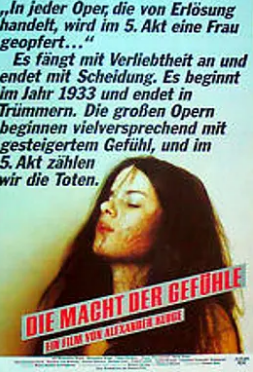
The Power of Emotion explains that emotion isn't to be confused with sentimentality. Emotion is ancient and more powerful than any art form. The film looks at young couples who run into difficulties as they try to translate their experiences of love into clear decision-making. A woman who has shot her husband provides a judge with a puzzle. Those who love can bring the dead back to life by means of co-operation. That's the focus of the opera, "The Power Plant of Emotions" and the "Opera of the 20th Century" cinema. Alexander Kluge: The Power of Feeling When I started working on The Power of Feeling, I was not in a rational state. I did not say, I have a subject and now I will make a film about it. Instead I was spellbound and observed in my direct surroundings, for example, how feelings move. I have not really dealt with the theme of my mother's death and the fact that she was the one who taught me "how feelings move." Nor have I dealt with how she died. That was an entire palette of feelings: "All feelings believe in a happy end," and everyone believes tacitly that they will live forever: The entire palette is somehow optimistic, a positive attitude towards life having been put on the agendaas long as she was young, as long as her body held out, from one day to the next she collapsed. She just suddenly collapsed, like in an opera where disaster takes the stage in the fifth act. It felt as if I had observed an air raid or a disaster. The film The Power of Feeling is not about feelings, but rather their organization: how they can be organized by chance, through outside factors, murder, destiny; how they are organized, how they encounter the fortune they are seeking.What is all this organization of feelings about? Generally feelings tend to be a dictatorship. It is a dictatorship of the moment. The strong feeling I am having right now suppresses the others. For thoughts this would not be the case. One thought attracts others like a magnet. People therefore need affirmation by other people to be sure about their own feelings (to counteract the acquisition of their feelings through outside forces). Through the interaction of many people, for example, in public, the various feelings also have a magnetic attraction to one another just like thoughts do. Feelings communicate through their manifestation in public. The cinema is the public seat of feelings in the 20th century. The organization is set up thusly: Even sad feelings have a happy outcome in the cinema. It is about finding comfort: In the 19th century the opera house was the home to feelings. An overwhelming majority of operas had a tragic end. You observed a victim. I am convinced that there is a more adventuresome combination: Feelings in both the opera and traditional cinema are powerless in the face of destiny's might. In the 20th century feelings barricaded themselves behind this comfort, in the 19th century they entrenched themselves in the validity of the lethal seriousness.